
MILIKA CENTER FOR THERAPY & RESILIENCE
Mental Skills Training for Student-Athletes
Build the mental skills athletes need to perform with confidence, focus, and composure—especially when the pressure is on.
In-office sessions in Encino, CA and online across California.
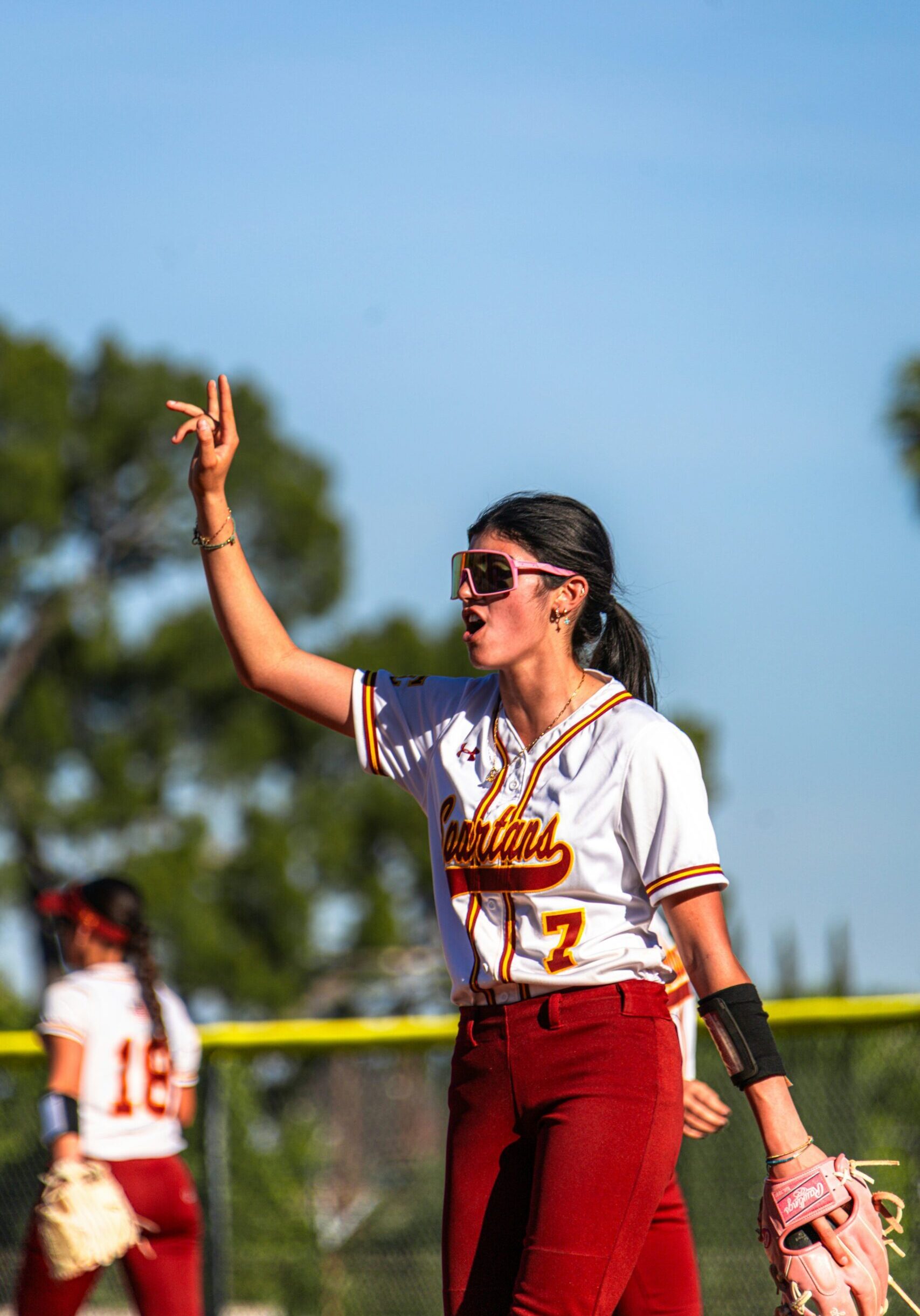

The Mental Side of Performance Matters
Physical training prepares athletes for the demands of competition. Mental skills training prepares them for what happens between the ears.
Athletes can have all the physical ability in the world and still struggle with confidence, focus, pressure, mistakes, or staying composed when the stakes are high.
At MILIKA, we help student-athletes develop practical, evidence-based mental skills they can learn, practice, and apply in real time—in practice, during competition, and in everyday life.


What Is Mental Skills Training for Athletes?
Mental skills training helps athletes strengthen the psychological skills that influence performance.
Just like physical skills, mental skills can be learned, practiced, and strengthened over time.
Athletes may learn how to:
- Manage pressure and performance anxiety
- Stay focused during competition
- Reset quickly after mistakes
- Build confidence and effective self-talk
- Regulate emotions under pressure
- Visualize success and prepare mentally
- Respond constructively to feedback
- Set meaningful goals
- Maintain motivation through setbacks
The goal isn't to eliminate nerves or difficult emotions. It's to help athletes perform effectively even when those feelings show up.
When Mental Skills Can Make a Difference
Mental skills training can be especially helpful for athletes who:
- Get nervous or overwhelmed before competition
- Lose focus after making a mistake
- Struggle with confidence or self-doubt
- Have difficulty staying composed under pressure
- Become overly focused on outcomes
- Have trouble bouncing back after disappointing performances
- Struggle to maintain motivation
- Want to strengthen their mental game proactively
Your athlete doesn't have to be struggling to benefit from mental skills training.
Many athletes use these skills proactively to become more consistent, confident, and mentally prepared.

Mental Skills Training Vs. Therapy
Mental skills training is proactive and skills-focused. It helps athletes strengthen confidence, focus, emotional control, resilience, and performance skills.
Therapy is mental health treatment. It is designed to address concerns such as anxiety, depression, significant emotional distress, trauma, or other psychological concerns that may require clinical treatment.
Some athletes benefit from both.
Not sure which is right for your athlete?
We're happy to help you determine the best starting point during a complimentary 20-minute consultation.


Core Mental Skills We Teach Athletes
Our mental skills training for athletes focuses on building the abilities athletes rely on most in high-pressure moments, both in competition and in everyday life. These skills are practical, learnable, and designed to support confidence, focus, and long-term resilience.
Mental Poise & Nervous System Regulation
Athletes learn to recognize how stress shows up in the body and use practical strategies to stay composed, grounded, and focused under pressure. Athletes practice skills such as breathing, grounding, body awareness, and pre-performance routines to help regulate their nervous system and respond effectively when nerves, frustration, or pressure rise.
Confidence & Strengthening the Inner Ally
We help athletes develop supportive self-talk, reduce harsh self-criticism, and build confidence that isn't dependent on outcomes. A key part of this work is strengthening what we call the "inner ally," a more compassionate and constructive internal voice that supports motivation, confidence, and resilience. This shift helps athletes stay engaged and recover more quickly when doubt or setbacks arise.
Focus & Attention
Athletes strengthen their ability to stay present, refocus after distraction, and maintain consistency under pressure. Through peak performance optimization strategies, including visualization and attention training, athletes learn how to direct their focus intentionally rather than getting pulled into mistakes or external pressure. This supports more consistent, steady performance over time.
A Resilient Mindset to Reset After Mistakes
We guide athletes to bounce back from setbacks, learn from mistakes, and stay motivated through challenges. By cultivating an elite, growth-oriented mindset, athletes begin to see obstacles not as failures, but as opportunities for learning and improvement. This builds perseverance and reinforces the belief that skills can develop with effort and practice.
Goal Setting, Time Mastery & Obstacle Navigation
Athletes learn how to set realistic, meaningful goals and break them into manageable steps. We incorporate time management and planning strategies to help balance academics, athletics, and relationships, while also building problem-solving skills to navigate obstacles. This creates a greater sense of control, direction, and confidence in both sport and daily life.
Communication & Building a Support Network
Strong relationships are a key part of resilience. Athletes learn communication skills to navigate relationships with coaches, teammates, and parents, including how to express needs, handle conflict, and advocate for themselves. We also emphasize the importance of building a supportive network that helps athletes feel connected, encouraged, and supported during both challenges and successes.
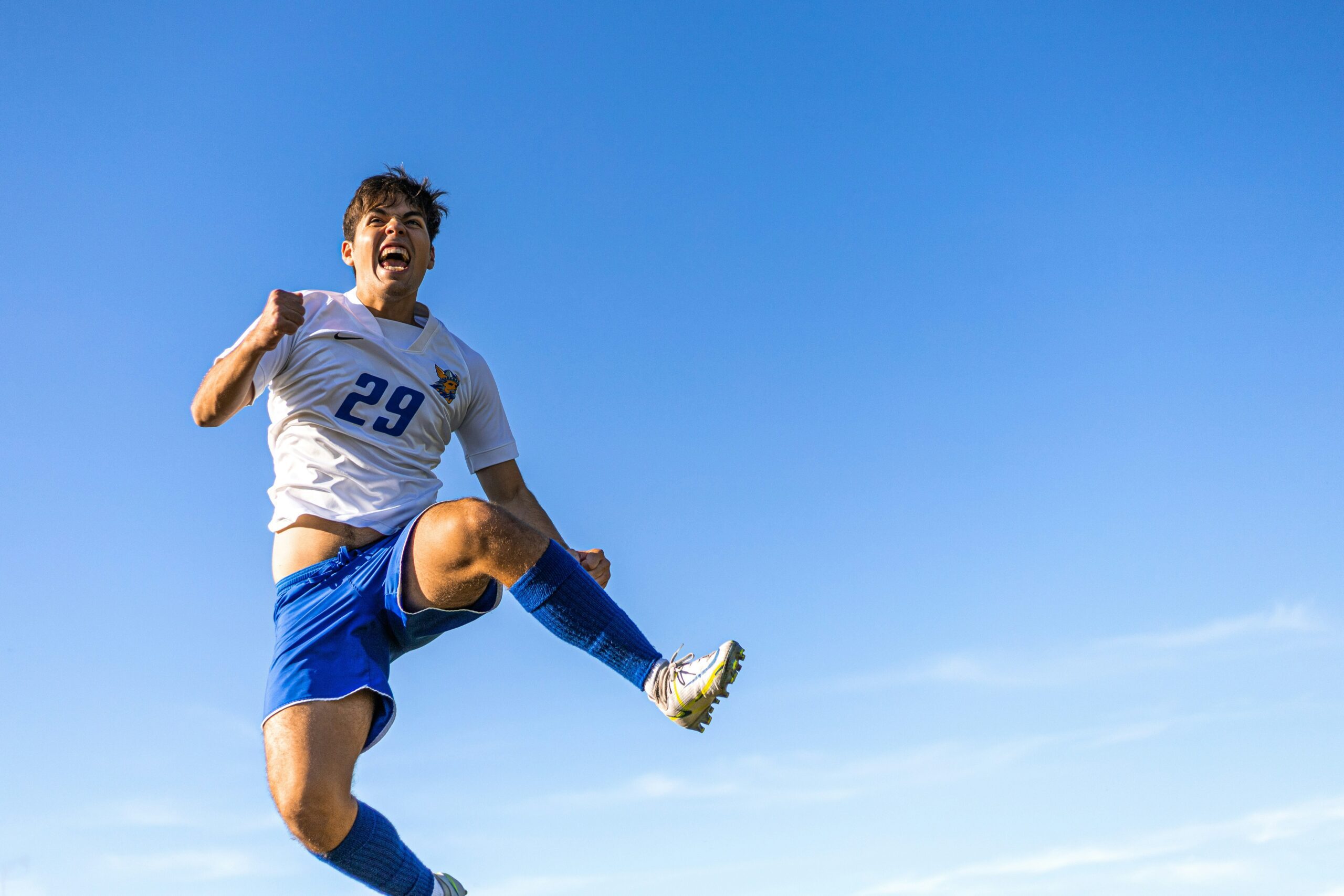
Why Mental Skills Training Matters for Youth Athletes
The adolescent and young adult years are a critical time for emotional and neurological development. During this stage, athletes are still learning how to regulate emotions, manage stress, and build their sense of identity.
Introducing mental skills training for youth athletes early helps:
- Build confidence and emotional awareness
- Improve stress management and coping skills
- Support healthy identity development beyond performance
- Create long-term resilience that extends into adulthood
These skills don’t just improve performance; they help athletes navigate life more effectively.
How We Support Young Athletes
At MILIKA Center for Therapy & Resilience, our resilience training for athletes is tailored to each athlete’s needs and goals. We integrate mental skills training into every level of support.
Individual Therapy & Performance Support
We work one-on-one tailored to the athlete's age, sport, goals, and specific challenges. Athletes learn skills, practice them during sessions, and develop a personalized mental performance toolkit they can apply between sessions and during competition.
Parent Guidance & Support
Parents can have a significant influence on a young athlete's experience. When appropriate, we provide parents with guidance on how to reinforce mental skills, respond to performance-related stress, and create an environment that supports confidence and healthy development.
Team Workshops & Consultation
We partner with teams, schools and athletic programs to deliver interactive resilience and mental skills workshops focused on topics such as: confidence, focus, managing pressure, resetting after mistakes, emotion regulation, communication, and team culture. Workshops can be offered as a single-training or multi-session program, depending on the team's goals.
Meet The Team

Clinical Director
Kanchi Wijesekera, Ph.D.

Clinical Psychotherapist
Lindsay Merrill, LMFT.

Clinical Psychologist
Venus Mirbod, Psy.D.

Associate Therapist
Jasmine Chow, AMFT.

Clinical Psychotherapist
Estela Cabrera, LCSW.

Doctoral Clinical Trainee
Kurtis Vu
